Plumbing Tips for Pet Owners
Our pets bring us real happiness and stress relief. In fact, a recent Houzz survey found that most people treat cats and dogs as members of the family. That means these furry friends inevitably find their way into our bathrooms. And that can lead to costly repairs. We’ve seen plenty of pet-related damage ourselves. Here are our tips to help you avoid the most common plumbing problems pets create.
Pet Ownership and Plumbing
Read these tips for guidance on how to keep your pets safe and extend the life of your home plumbing system.
1. Use a Hair Catcher for Bath Time Cleanup
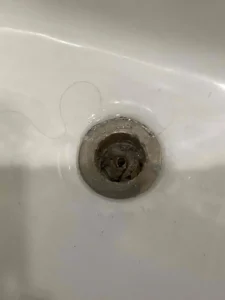
Where you wash your pet matters almost as much as how often. Indoor tub and shower drains can’t handle a full coat of shed fur at once. Pet hair is one of the most common causes of a slow or clogged bathroom drain.
The fix: Use a hair catcher (also called a drain guard or drain strainer) over the drain before you start washing. It stops hair before it can get past the trap, and it only costs a few dollars – you’ll find one at pet stores, hardware stores, or most grocery stores. If you wash your dog outside instead, hose them down over grass or gravel rather than near a yard or driveway drain, which can clog with hair and mud just as easily as an indoor one.
Even with a hair catcher in place, drains that see regular pet baths still need periodic attention – we do a lot of work for dog grooming facilities for exactly this reason. Routine drain maintenance is built into our annual membership, so it’s already covered once a year if you’re a member.
2. Check the Water Before Bath Time
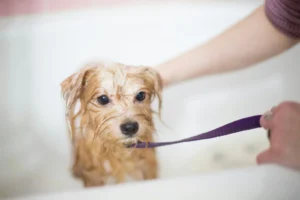
Before you get the tub or hose ready, check that the water is right for bathing your pet. Water that’s too high-pressure can hurt if it hits their skin. Water that’s too hot can burn them. Both problems are easy to avoid by testing the water before your pet gets in.
The fix: To adjust your water’s temperature, find your water heater’s temperature gauge and turn it down if needed. Energy Saver recommends setting most water heaters to 120°F. For pressure issues, a pressure-reducing valve (PRV) can bring things down to a safer level – and lower pressure is easier on your whole plumbing system over time. If you’re having trouble adjusting either one, give us a call and we can help.
3. Filter Your Water to Protect Your Dog’s Skin and Coat
Hard water isn’t just tough on your pipes and fixtures – it can be tough on your pet, too. Mineral buildup from hard water can leave residue on your dog’s coat after a bath, leaving fur feeling dry or dull. It can also dry out and irritate their skin. Roughly 1 in 10 dogs deal with skin sensitivities or allergic dermatitis, and hard water or high chlorine levels can make that irritation worse.
The fix: A whole home water filtration system softens the water running through every faucet and hose bib in your house, including wherever you bathe your pet. Softer water means less mineral residue on your dog’s coat and less dryness for sensitive skin – plus the same benefits for your own skin, hair, and plumbing.
4. Watch Where Your Dog Digs
Most dogs love finding out what’s buried in their own yard. It’s a cute quirk, but not every hole is harmless. In much of Texas, water service lines only need to sit as shallow as 12 inches deep. Sewer lines typically run just 2 to 4 feet down – shallower than in colder states, where pipes have to sit below the frost line.
That said, a dog actually hitting a water or sewer line by accident is fairly unlikely – casual digging rarely goes deep or precise enough to reach them, and most dogs don’t dig in one exact spot long enough to get there.
Septic tanks are a different story. If you have a septic system, the tank and its access lid usually sit in the backyard, often shallower than main sewer lines, and effluent gases can give off a scent that draws a dog’s curiosity. Digging near a septic tank or drain field risks damaging the lid, tank, or lines – and getting your dog close to raw sewage isn’t something you want either.
The fix: If you have a septic system, fence off the tank and drain field area so pets can’t get to it. For general yard digging, small barriers around known dig zones and training your dog not to dig both help – even if it takes patience.
5. Keep the Toilet Lid Closed
Pets don’t seem to notice the difference between their water bowl and the toilet bowl. The American Kennel Club notes this could be because of the cool water constantly refilling the bowl. Beyond the obvious “ick” factor, drinking from the toilet can expose your pet to leftover cleaning chemicals.
The fix: Try to keep pets out of the bathroom unattended. Keeping the toilet lid closed, or using a baby gate in the doorway, usually solves the problem – even if your pet isn’t thrilled about it.
6. Protect Exposed Lines From Chewing
Pets usually can’t get to your home’s main pipes. Those run inside walls, under slabs, or below ground. A few spots are the exception, sitting exposed within easy reach of a curious dog or cat:
- Flexible supply lines under sinks
- The ice-maker line behind the fridge
- Hose bibs
- Sprinkler valve boxes in the yard
These lines are typically softer plastic or rubber than your main plumbing, so normal chewing damages them more easily. A punctured supply line can mean a slow leak under a cabinet, or a soggy patch in the yard – and often nobody notices right away.
The fix: If your pet has access to any exposed lines, covering or concealing them is worth the effort. A cabinet baby-gate, a valve box cover, or simply routing lines out of reach can keep a chewed line from turning into a repair call.
Just like our expert plumbers, we genuinely believe in treating clients like a part of the Reliant Plumbing family. Whether it’s a home emergency or maintenance for your business, you can rely on Reliant Plumbing. With over 10 years in the plumbing business, you can trust us to provide a reliable repair at a price that works with you.