Plumbing permits and their true importance
More than paperwork
It’s easy to think of a plumbing permit as just another piece of paperwork – a box to check before the real work starts. But a permit is doing more than that behind the scenes. It stands between a properly inspected, code-compliant plumbing system and one nobody has actually verified.
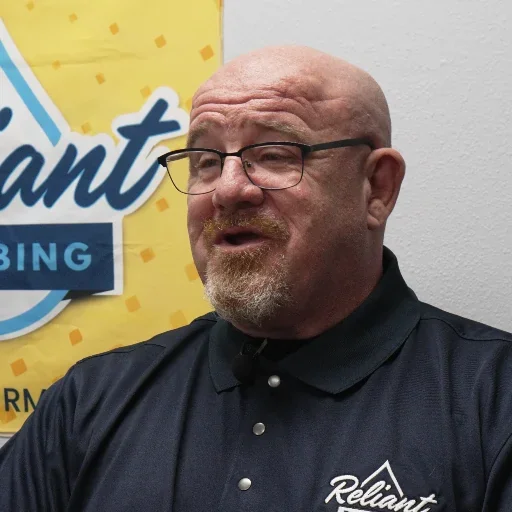
Your local plumbing company, Reliant Plumbing, pulls permits every day across Austin, San Antonio, Dallas, and the surrounding areas. We asked our permit coordinator, Toby Hamilton, to explain what permits actually protect against. His advice for every homeowner and contractor was simple: “Always pull your permits. If you do not, you can run into a lot of trouble with municipalities because you are essentially working illegally.”
What Does a Plumbing Permit Actually Verify?
A permit isn’t just permission to do the work – it’s what triggers an inspection once the work is done. That inspection confirms the plumber completed the job according to the plumbing code. The code lays out the safety guidelines plumbers must follow. Someone other than the plumber physically checks the work before signing off on it – either a credentialed city official or a third-party inspector under contract with the city.
Toby understands why that can feel unsettling to a homeowner. “Homeowners can feel uneasy because someone other than the plumber is entering their house, and they may not know who that person is,” he said. “I reassure them that the inspector is a credentialed city official. Everything we do has a reason and a purpose, usually related to health and safety.”
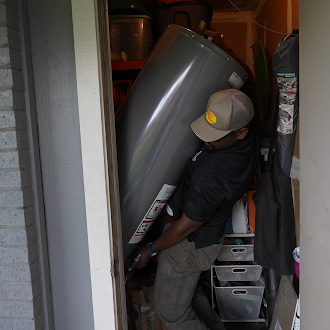
For something like a gas water heater, that inspection matters more than it might seem. Improper installation can lead to carbon monoxide accumulation, which is genuinely dangerous. The permit process is what catches that kind of problem before it becomes a hazard.
Permits Look Different Depending on Where You Live
One reason permitting can feel confusing is that the requirements aren’t the same everywhere. Cities adopt different editions of the International Plumbing Code. Some are still on the 2018 edition, while others have moved to 2022 or 2024. That means the same job can come with a different checklist depending on the city.
A couple of real examples:
- Live Oak requires the expansion tank on a water heater to have independent support. It has to be strapped to a wall or braced separately, rather than resting on the pipe.
- San Antonio requires an engineer to physically visit – and sometimes enter – a tunnel after the crew finishes tunnel work. Austin may allow that same review to happen from photos instead.
That variation is exactly why permitting needs someone who knows the local code. You can’t assume every city treats the same job the same way. As Toby put it: “Something may be required in one city but not another. Some municipalities have more relaxed rules, while others simply have different requirements.”
What Happens During the Permitting Process
- Scope review. The permit coordinator looks at exactly what the job involves – a water heater, a tunnel job, or a larger project – using the invoice and job details to make sure the permit accurately reflects the work.
- Application. The coordinator submits the permit to the correct municipality. Some cities issue permits quickly; others run a plan review first, checking things like flood zone status.
- Work begins once the permit is issued and paid for.
- Inspection is requested after the work is complete.
- Additional steps if required – tunnel jobs, for instance, may need an engineer’s letter before the crew can fully close out the project.
Why Skipping a Permit Is a Real Risk, Not a Technicality
Beyond the legal exposure of working without a permit, there’s a practical one too. “If you do not pull a permit or have the work inspected and something happens, a home warranty may not cover it,” Toby explained. “They may ask whether the job was permitted and inspected.”
Permits also aren’t just a revenue tool for the city, even though it can feel that way. “Permits are not only a source of revenue for the city,” Toby said. “They are also about health and safety. Water heaters can be dangerous if they are not installed correctly.”
What Contractors and Homeowners Should Keep in Mind
For contractors: “Know the code,” Toby said. “That is the biggest thing. Contractors who are not familiar with the code in the city where they are working are more likely to fail an inspection.” He also noted that contractors “must follow the specific code adopted by the city,” even when it includes requirements they didn’t expect to meet.
For homeowners:
- Understand that inspections are for your safety, not an inconvenience.
- Be available to give the inspector access. Toby described coordinating this as one of the harder parts of the job: “It can feel like herding kittens.”
- Ask whether the city permitted and inspected a project, especially before relying on a home warranty to cover future issues.
Always Pull Your Permit
If there’s one thing to take away from all of this, it’s the same thing Toby tells every homeowner and contractor: “Always pull your permits.” It’s not a formality standing between you and the job – it’s the process that confirms the work is safe, legal, and built to last.
Work With a Team That Takes Permitting Seriously
Every city we serve has its own version of the plumbing code, and our team stays on top of those differences so we permit your project correctly the first time. Whether it’s a water heater installation, a tunnel job, or general plumbing work, Reliant Plumbing handles the permitting process so you don’t have to navigate it alone.
Your residential or commercial plumbing project deserves to be done right – and permitted right, too.