
What a Frozen Pipe Really Costs
If you’ve never had a pipe freeze on you, it’s easy to picture it as a minor inconvenience. Maybe the faucet sputters for a day, you call a plumber, done. The insurance companies see it differently, and their numbers back that up.
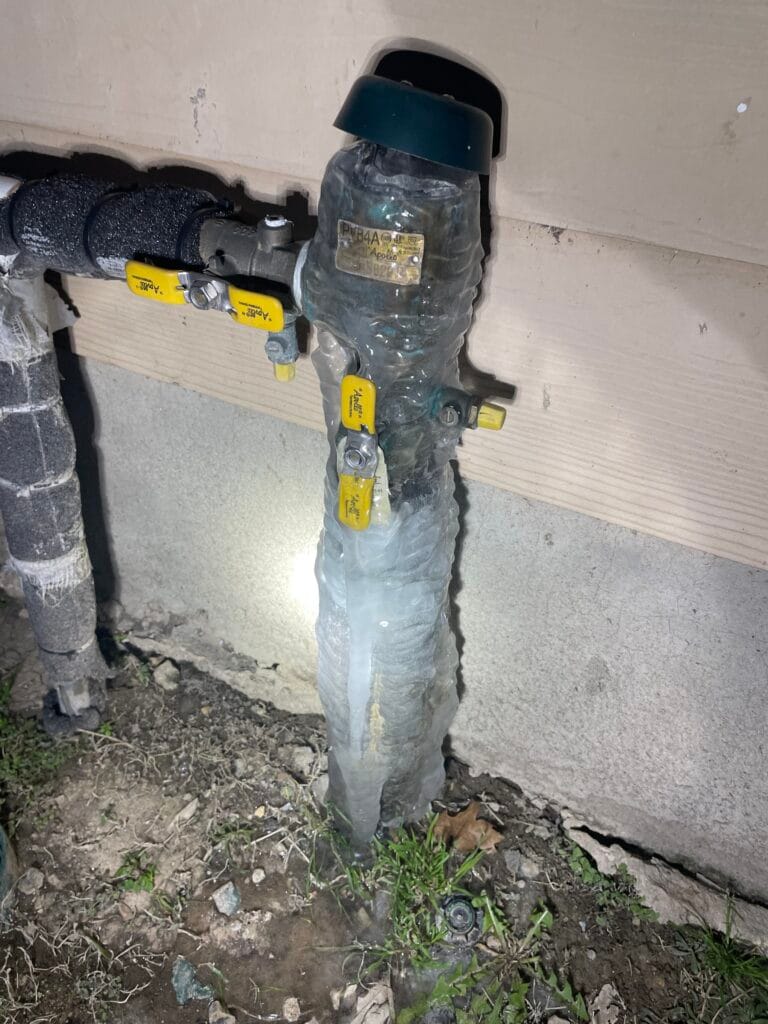
The Real Numbers
State Farm’s latest claims data puts this in perspective:
- More than 20,000 frozen pipe and water damage claims filed nationwide from early 2024 through mid-2025
- Over $628 million paid out in that same window
- Average payout per claim: over $30,000, up from around $25,000 the year before
And it’s not slowing down.
Here’s the part that should really get your attention if you’re in Texas: we’re one of the five costliest states in the country for these claims, right up there with Illinois, Oregon, Washington, and Tennessee. That’s not bad luck. Texas homes just weren’t built with this in mind. Up north, pipes run through heated basements. Here, they’re in attics, slabs, and crawl spaces, so when a hard freeze actually hits, there’s a lot more exposure than most homeowners realize.
Why the Damage Adds Up So Fast
A frozen pipe on its own isn’t what runs the bill up to $30,000. It’s what happens in the hours and days after it bursts:
- Water gets into drywall, flooring, and insulation before anyone even notices
- The pipe repair itself is often the cheapest part of the whole thing
- Drying everything out and rebuilding what got damaged can take weeks
- If water sits for even a little while, mold remediation becomes part of the bill too
And here’s the catch: homeowners insurance usually covers this kind of damage, but only if it’s sudden and accidental. That coverage typically breaks down into a few buckets: repairs to your home’s structure, replacing damaged belongings, and sometimes even a temporary place to stay if the damage makes your home unlivable, which is part of why a single claim adds up the way it does.
Whether you’re actually covered comes down to a few things:
- Your specific policy and its exclusions
- How fast you report the damage
- Whether the freeze was something you could’ve reasonably prevented
That last point matters more than most people realize. Insurers commonly deny frozen pipe claims when they can point to neglect, like a homeowner leaving a house unheated over a long trip, rather than a genuine surprise freeze. It’s exactly the kind of thing basic prevention protects you from, both the damage itself and any argument about whether you’re covered for it.
The Best $30,000 You’ll Never Have to Spend
The good news is that most of this is preventable, and it doesn’t take much:
- Insulate exposed pipes
- Seal up gaps where cold air gets in
- Know where your main shut-off valve is
Small things, but they’re often the difference between nothing happening and a five-figure claim.
Don’t want to deal with it yourself? Reliant Plumbing can cover the highest-risk spots in about an hour, for a fraction of what one claim would cost you.
See How We Can Help Protect Your Pipes This Winter
If Damage Has Already Happened
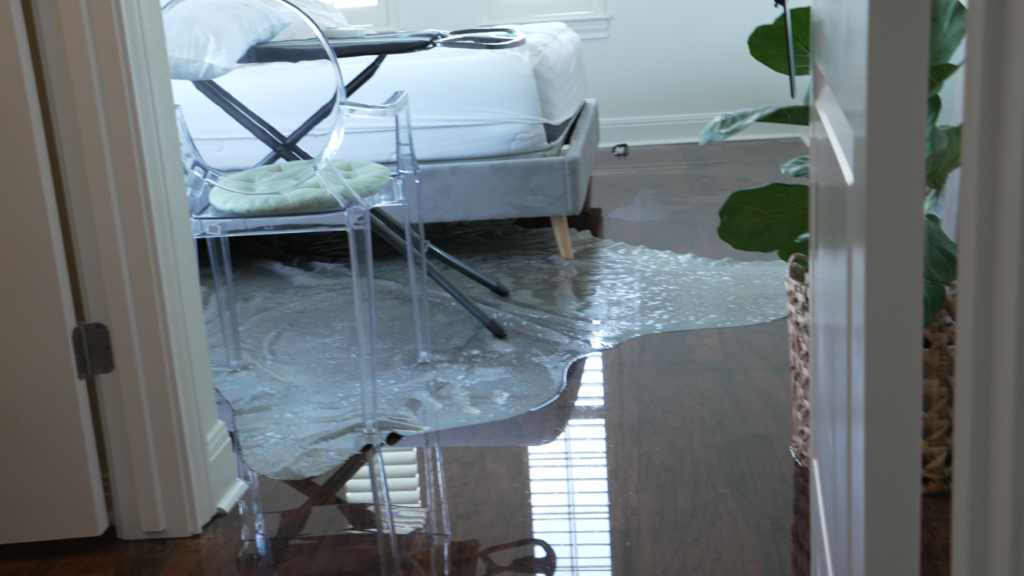
If a pipe already burst in your home, none of the prevention advice above is going to help you right now. What matters at this point is handling the claim the right way. We put together a full walkthrough covering how to document the damage, what insurance actually does and doesn’t cover, and how to avoid getting your claim rejected.
Read: How to File a Plumbing Insurance Claim
Sources:
- State Farm Newsroom, “Frozen Pipes? Not So Nice! Beat Winter Water Woes Before They Strike” (2026)
- State Farm Newsroom, “Freeze & Thaw: Bad Mix For All” (2024)